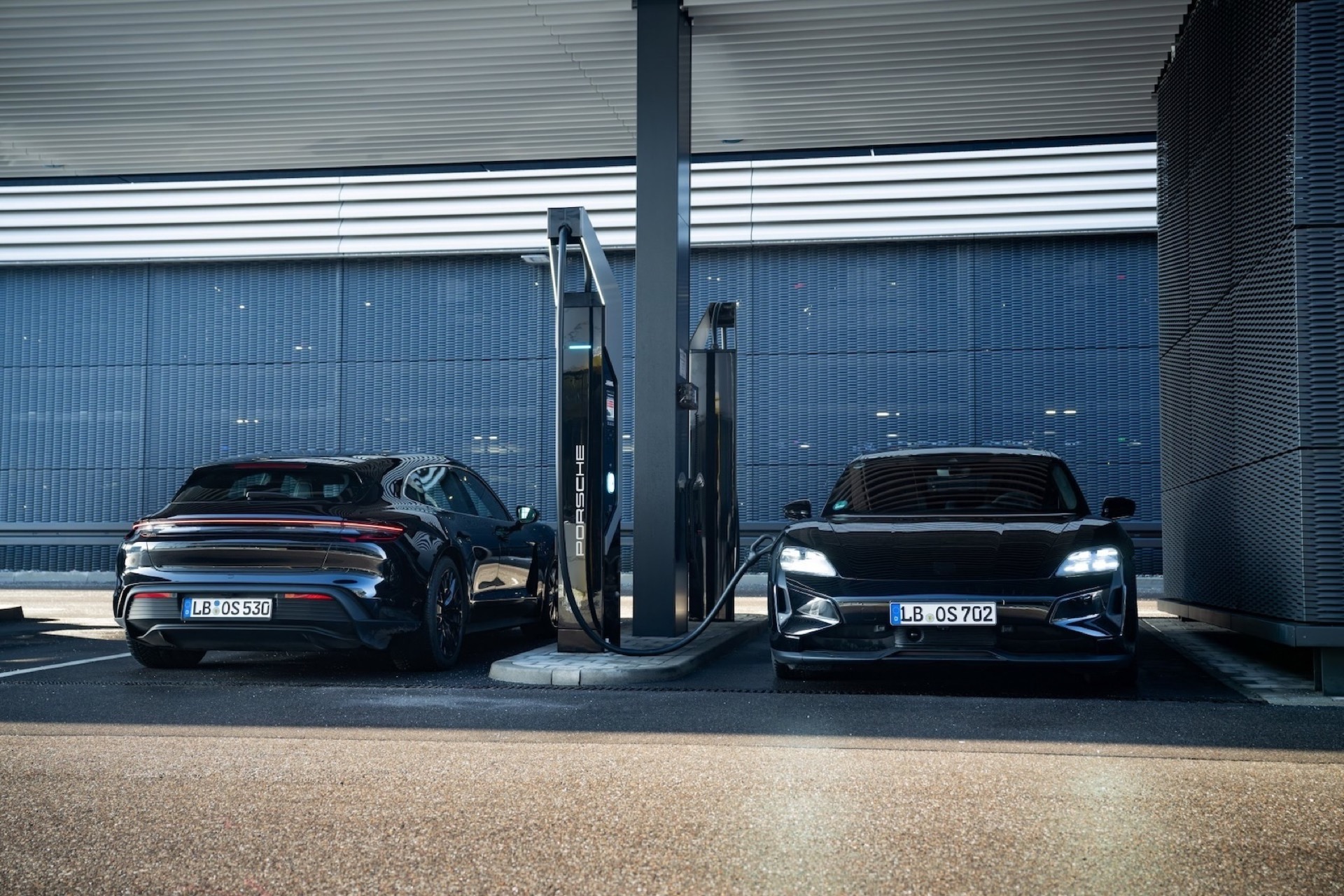
Sales of electric vehicles are gaining momentum in all volume segments. Whether it’s a small car, a mid-range model or a family van: more and more new registrations have electric drives. Things look completely different in the luxury and high-performance sports car segment. Here, manufacturers are increasingly turning to combustion engines, often supported by hybrid systems.
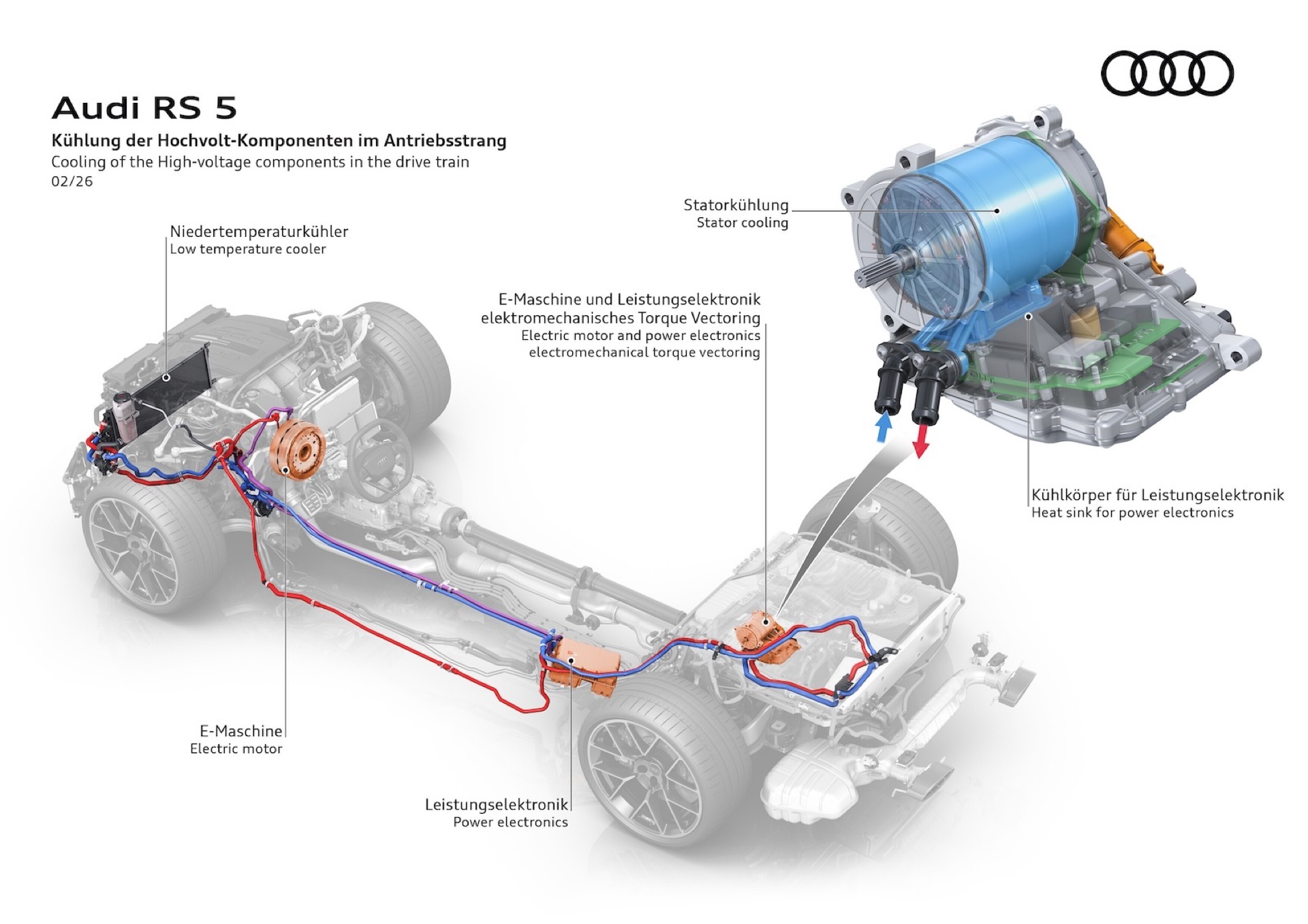
The new Audi RS5 delivers impressive performance. While the predecessor RS4 was once accused of lacking performance in the face of ever-increasing competition, the new model takes a different approach. Its 2.9-liter V6 turbo is supported by a powerful electric motor and produces a total output of 639 hp. Audi currently does not offer a comparable fully electric sports variant in this class.
Lamborghini has also adjusted its course. The planned fourth model series, which was originally intended to introduce the all-electric Lanzador crossover with 1,360 hp, will now include a newly developed hybrid version of the Urus successor as well as a 2+2 coupé with plug-in hybrid drive. The decision reflects clear customer demand for a high-performance V8 combined with electrification rather than a fully electric alternative.
This change is not entirely new. Mate Rimac, CEO of Bugatti Rimac and pioneer of electric hypercars, noted that demand for the Rimac Nevera fell short of expectations. His team is currently working on a new hypercar that combines a 16-cylinder engine with electric assistance instead of relying exclusively on electric power.
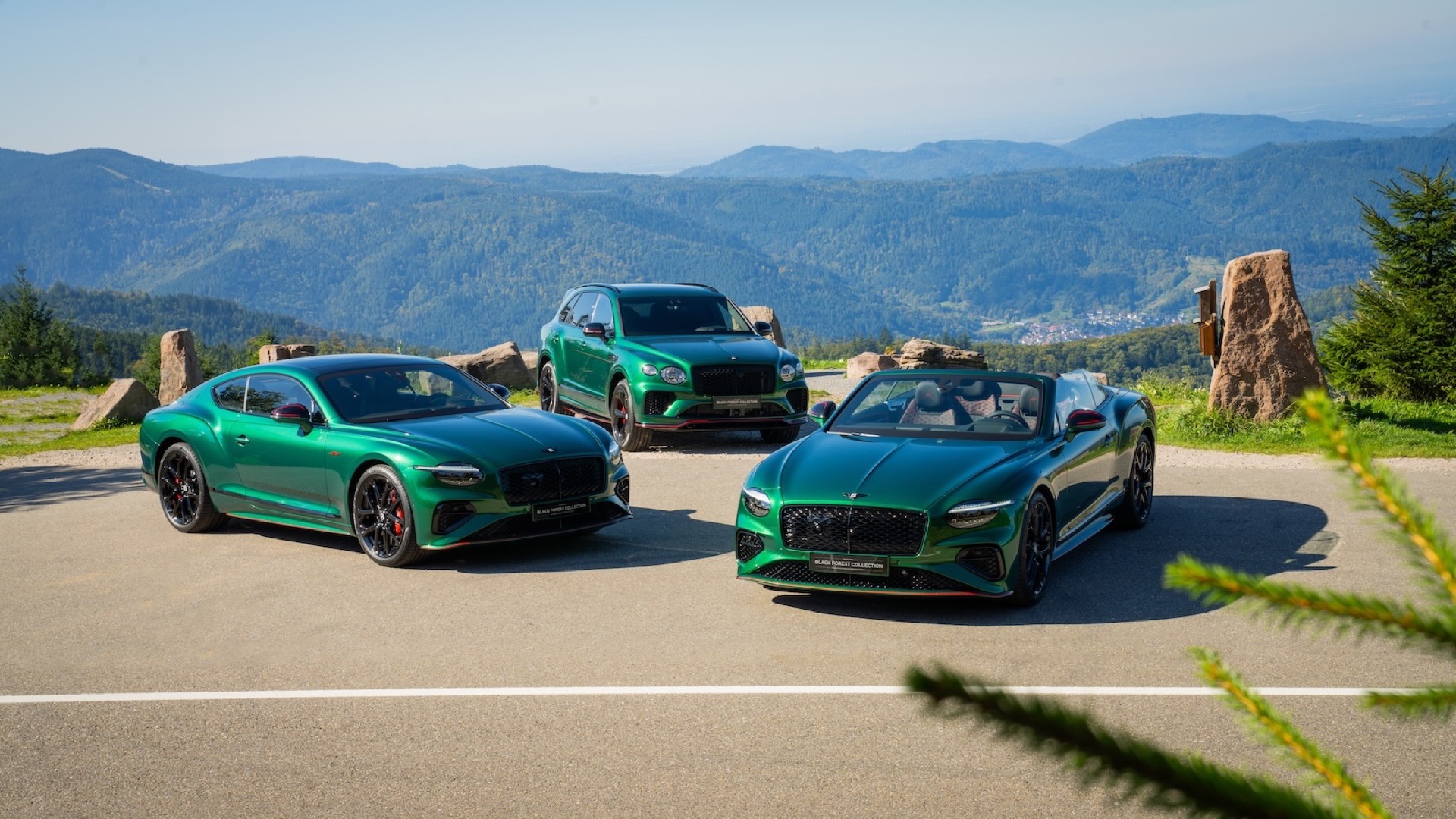
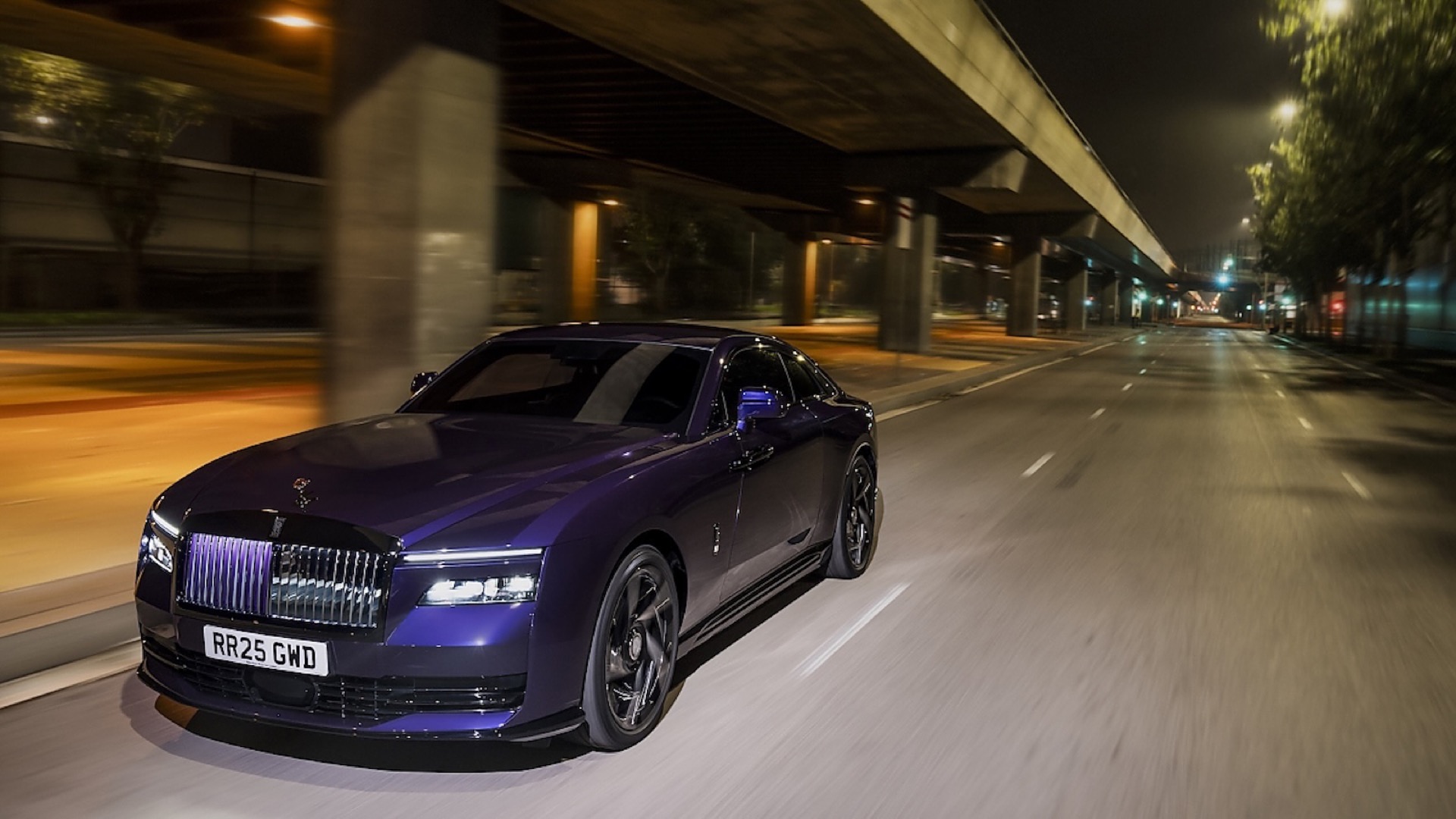
Ferrari is taking a different approach with its first all-electric crossover, the Luce, which launches this summer. Nevertheless, the enthusiasm of traditional fans remains limited. There were also internal debates about whether and when a Ferrari electric vehicle was necessary. At Rolls-Royce, the Specter luxury coupe has struggled to gain traction, while Bentley has overhauled its electrification strategy under new leadership. For now, powerful hybrid models are intended to advance the brand. Among Maybach customers, demand for V8 and especially V12 engines continues to outweigh interest in quiet electric drives.
The reasons are varied. Pure power is not the issue as electric systems deliver exceptional acceleration. Rather, emotions play the decisive role. The sound and character of combustion engines remains central to the appeal of many sports cars. From the V8 and V12 engines of Lamborghini to the high-revving engines of Ferrari, these elements define the experience. Even the idea of an electric Porsche 911 remains difficult for many enthusiasts.
On a more accessible level, similar trends can be seen with brands such as Alpine, Toyota, Maserati and Alfa Romeo, which have revived high-performance combustion models alongside electrified offerings. For many buyers in this segment, these cars are not primary household vehicles. Practical factors such as range or charging speed count less than character and emotional connection.
Therefore, it is unlikely that internal combustion engines will disappear from luxury and performance cars anytime soon. In many cases they are becoming more relevant than ever.