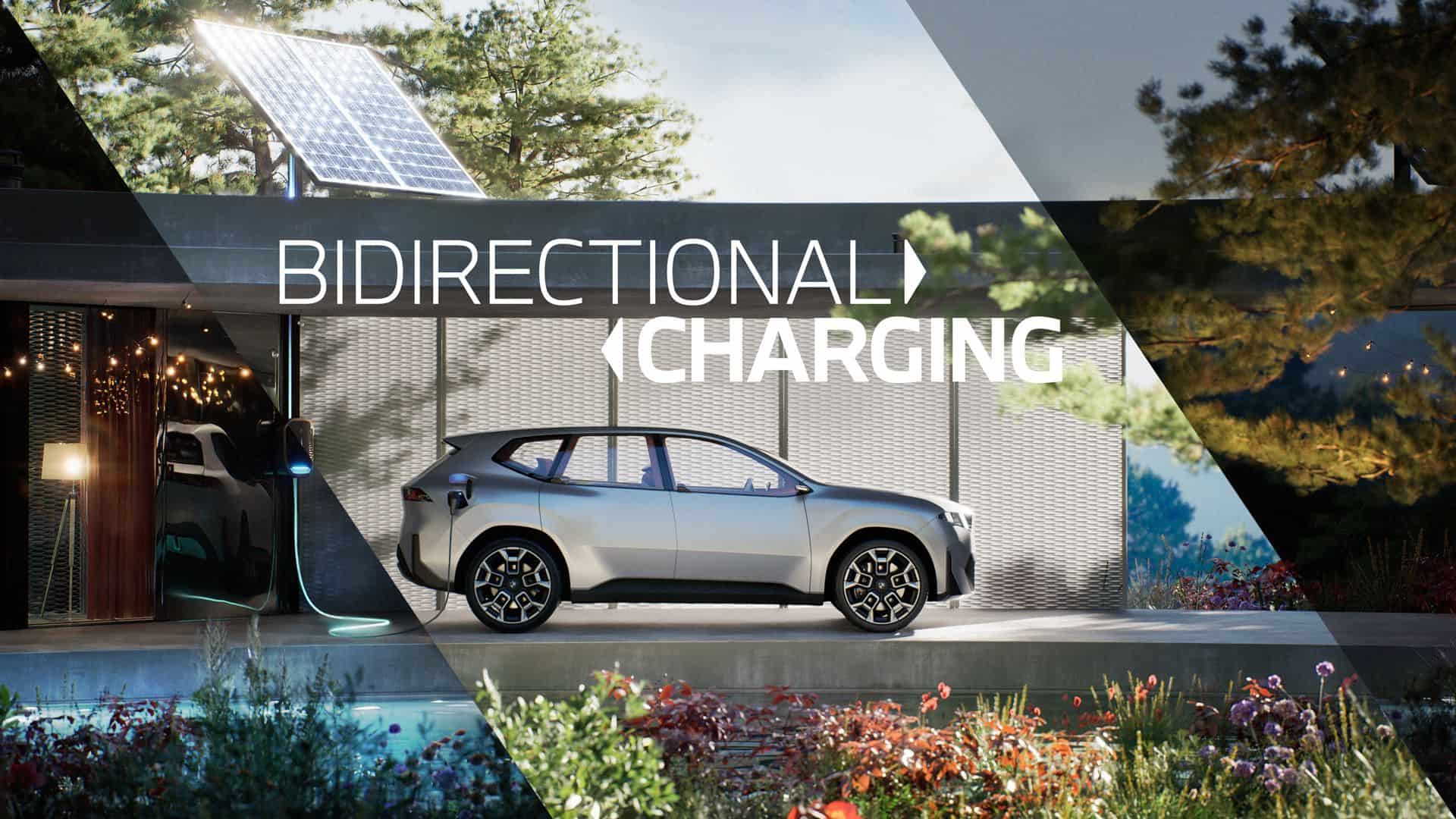
When the BMW IX3 reaches German customers in March 2026, it will not only be another electrical SUV that comes onto the market. It will be the first car that is launched with a new energy solution from BMW and E.ON: a commercial vehicle-to-grid system (V2G) for private households. The focus is on a bidirectional cargo. With the new BMW Wallbox Professional, the battery of the IX3 can pull energy from the network and reverse again if necessary. This transforms the car into a mobile energy storage unit that supports the stability of the networks during the point of the lace or in periods with low renewable production.
How the V2G tariff works
E.ON has created a specific tariff for this setup in Germany. Customers who plug their IX3 and provide the battery for V2G receive compensation – 24 cents for each connected hour that are limited to € 60 per month. Depending on the use of around 12,000 to 14,000 kilometers, this delivers about 12,000 to 14,000 kilometers for over a year. For many, this means little or no net charging costs.
The control remains in the driver’s hands. The owners can determine minimum fees via the My BMW app to ensure that the car is always ready for personal use. According to the BMW, the battery management system keeps the package in safe operating areas and avoids long -term deterioration.
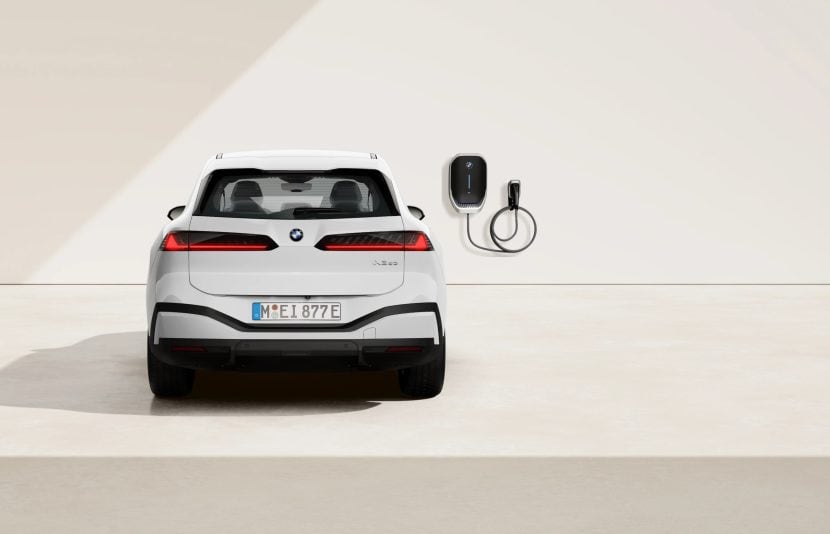
Expansion to other new class models
While the IX3 will be the first model that supports this technology, it will not be the last. The sixth generation of BMW’s EDRIVE platform is designed for the bidirectional load, which means that the upcoming new class models such as the i3 (Na0) would probably also be able to qualify for the V2G tariff.
Managers of both companies see this as more than a comfort function. Marc Spieker from E.ON called it “new class meets new energy”, which emphasizes the double benefit of lower mobility costs for individuals and reduces the load on the wider energy system. Joachim Post from BMW pointed out the broader goal: to make cars an active part of the energy transition.
BMW and E.ON look ahead to expand in order to only feed the energy back into the network. Your roadmap includes the connection of solar modules, heat pumps and other systems into a uniform energy platform. The IX3 is simply the first piece in a much larger puzzle that combines mobility with everyday consumption. The immediate attraction is easy for drivers: park the car, connect it and earn money while it is. For the network, the benefits are thousands of small but powerful storage units that are distributed across the country. And for BMW it is another step to prove that electric cars can move more than only people from A to B.
