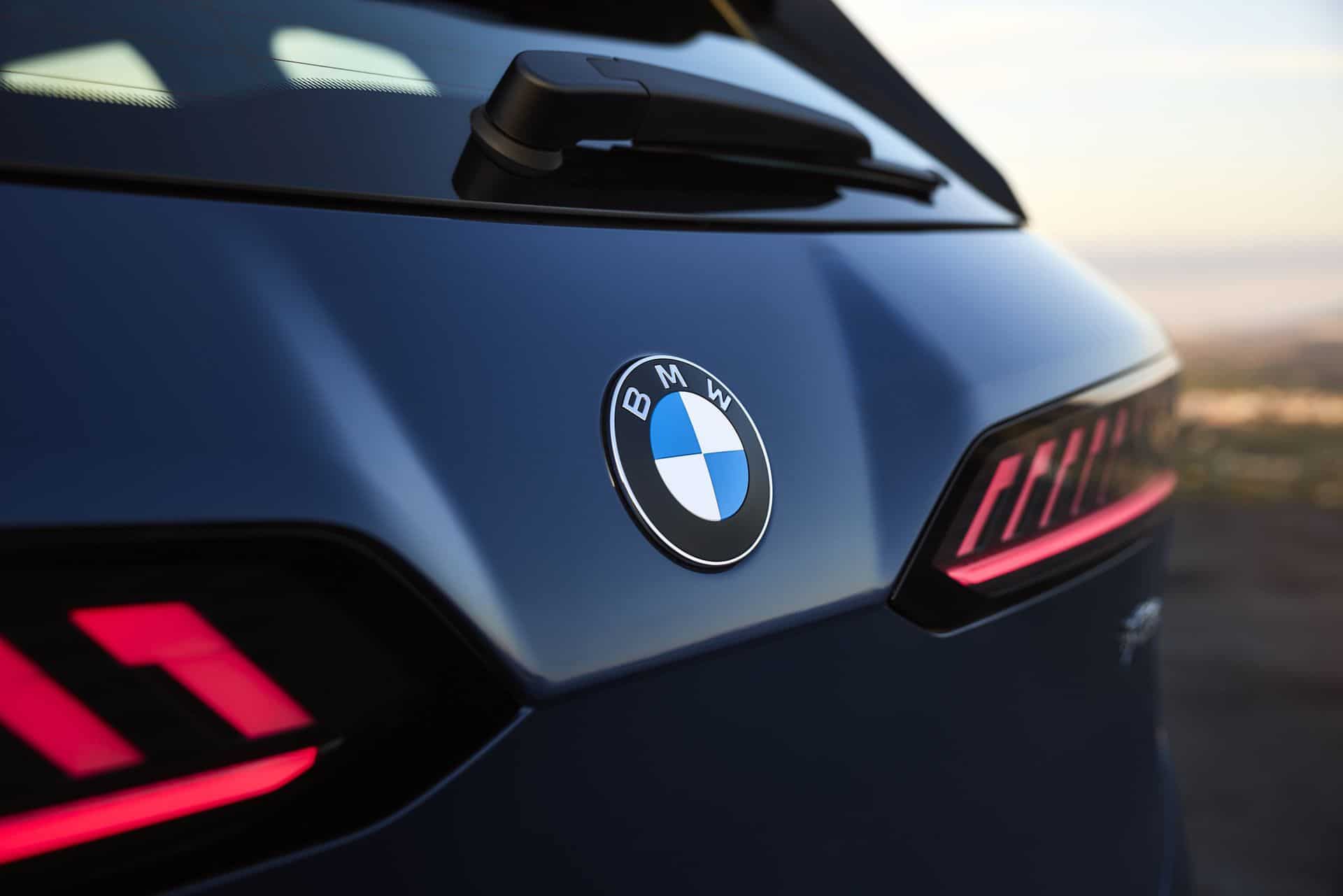
The year 2026 is shaping up to be a turning point for BMW. The company faces a volatile global economy, new competition from emerging electric cars and the challenge of keeping its “Ultimate Driving Machine” spirit alive in the digital age. But in this uncertainty lies enormous opportunity. With the Neue Klasse architecture, next-generation AI systems and rapid growth in markets like India, BMW has a real opportunity to redefine a modern performance brand. Here are the three biggest opportunities that could shape the next chapter of BMW’s story.
Capitalize on the passion for driving performance
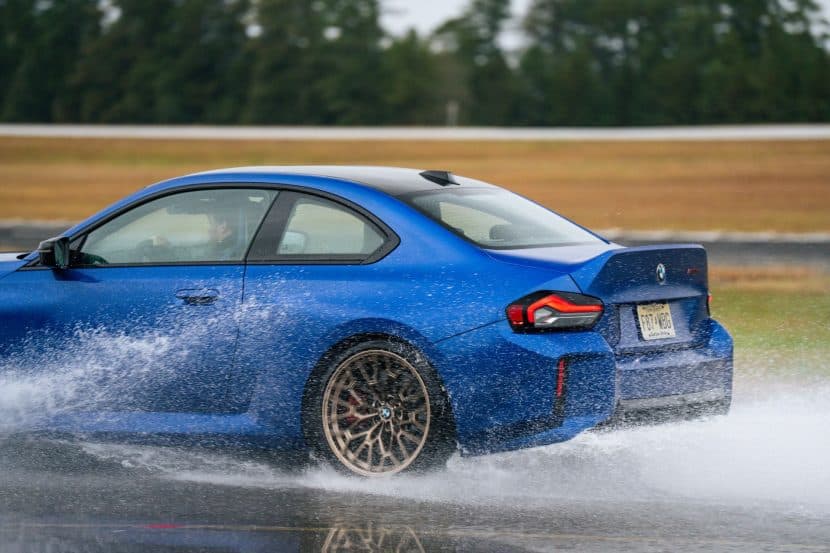
With the continued proliferation of self-driving cars and increasing congestion in cities around the world, there was a feeling that consumers were losing interest in driving and racing, which are essential to BMW’s brand identity (“Ultimate Driving Machine”). However, recent reports suggest that these fears may have been overblown.
Case in point: A McKinsey study found that electric vehicle buyers in China, America and Europe generally prioritize driving performance and handling over brand reputation, advanced driver assistance systems (ADAS) and the digital car experience. Meanwhile, another study found that 86 percent of customers rated driving pleasure as the most important criterion for buying a luxury car. These results are confirmed by the fact that the M division now accounts for around 10 percent of BMW’s total sales – a record figure.
Needless to say, BMW could prove to be a key differentiator given increasing competition from American and Chinese startups like Tesla, Rivian, BYD and NIO.
Leveraging existing advantages to be a leader in artificial intelligence
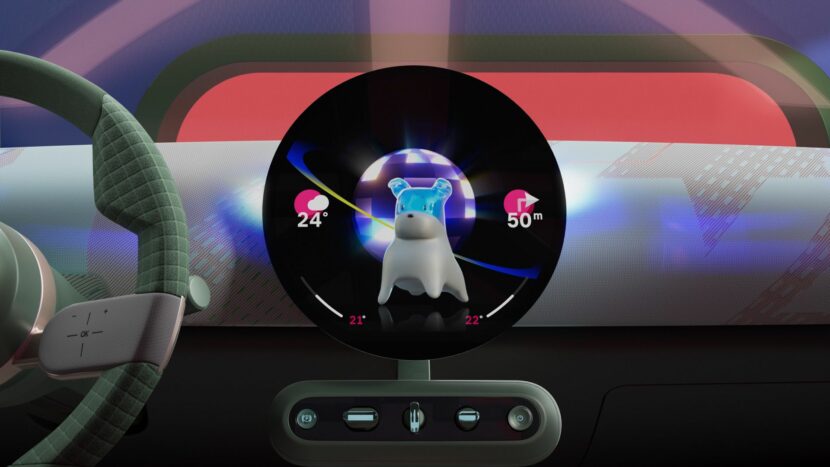
According to the Boston Consulting Group (BCG), 74 percent of companies have difficulty generating tangible added value with AI. Yet those that do see 50 percent higher revenue growth and 60 percent higher total return to shareholders (TSR). Frankly, this is an extraordinary opportunity for BMW –If It is ready to step out of its comfort zone and adopt a software-driven business strategy. And that appears to be the case with the software-defined architecture for future electric vehicles.
Make no mistake: traditional manufacturers are having difficulty switching to digitalization. However, BMW may still be an outlier, as the company is partially family-owned (allowing it to focus more on long-term goals) and has a long history of readily adopting advanced technologies. Remember: the Munich-based automobile manufacturer was named the most innovative automobile company by the Center of Automotive Management (CAM).
However, achieving this AI dominance would require a shift towards a more software-centric culture, intensifying partnerships with American and Chinese IT giants, and maximizing the potential of local AI talent in Germany (which ranks third globally after the US and India).
Investing in emerging and high-growth markets
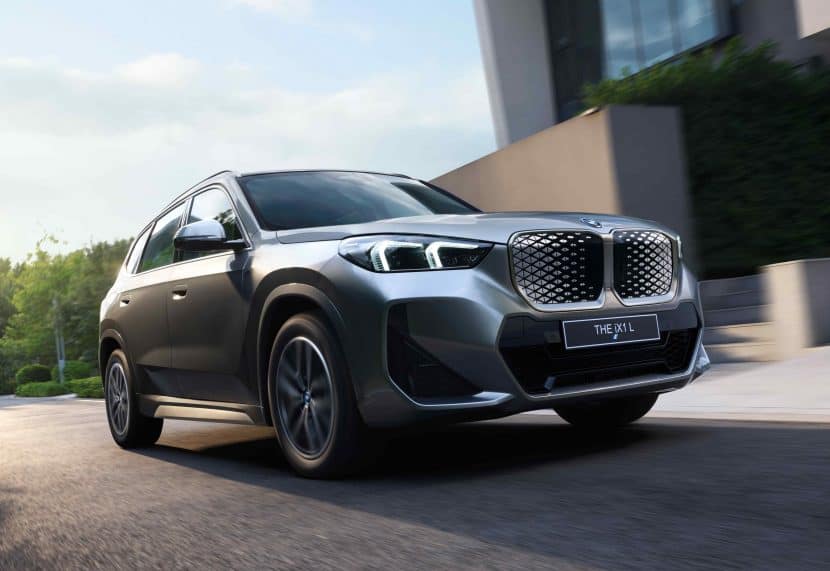
Western car markets are somewhat saturated, whereas China does not offer unlimited growth opportunities. Of course, BMW needs to expand into other regions such as the Global South, where 62 percent of the world’s population and 20 percent of GDP will live by 2030.
The most obvious potential lies in India, the world’s third-largest auto market and the fastest-growing G20 economy. It is noteworthy that 78 percent of German companies want to increase their investments there by 2029. In fact, BMW is already the second largest luxury car brand in India but may significantly increase its sales of 15,721 units given the recent tax reforms and the possibility of a free trade agreement (FTA) between India and the EU.
However, keep in mind that emerging markets often have an unpredictable growth trajectory. Therefore, BMW should not “chase rainbows” and must work closely with EU policymakers to identify the most favorable destinations for long-term investments.
