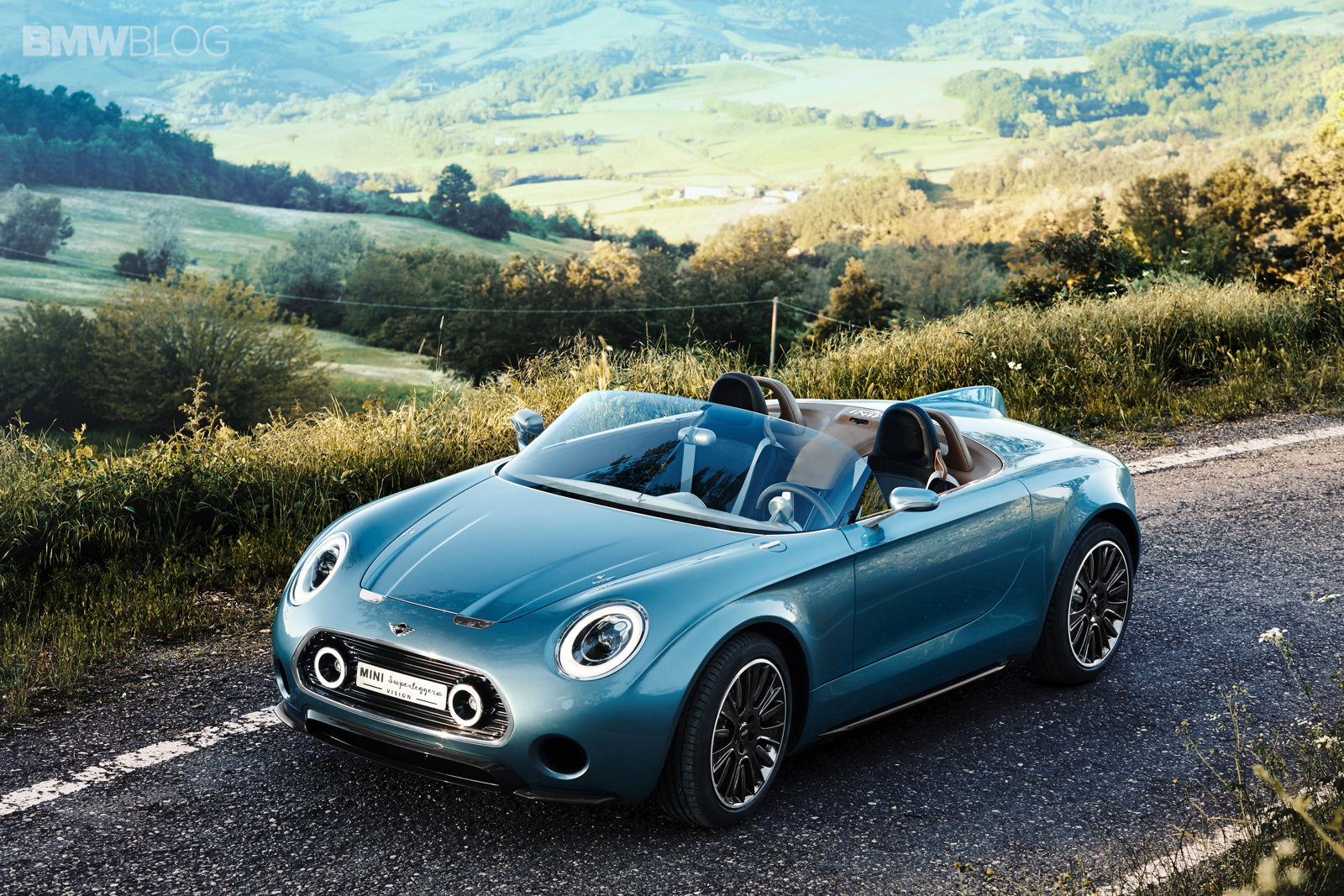
The MINI Superleggera was an excellent concept car. It could have even been an excellent production car, considering it supposedly drives like a Porsche. This is thanks to the high weight on the rear axle. Incredibly, we still have a lot to share with you about the car’s technology and design.
MINI Superleggera: the beginning
As we previously reported, the MINI Superleggera was originally a lower-level version of the BMW i8 called the BMW i4. Of course, no relation to the electrified 4 Series Gran Coupe that we see on offer today. Whatever the case, the early stages of the Superleggera weren’t quite as elegant as the car’s sheet metal would suggest. From conversations with Jürgen Greil, an engineer familiar with the initial phase, it appears that he was “at the supermarket to get food” when he received the call to “be at Herbert Diess’ office in ten minutes.” The idea was put together despite the short deadline and a deadline of just three weeks. The concept – without a concrete draft – was presented to those responsible, including Diess and Ulrich Kranz. “Normally Diess didn’t believe me,” said our Greil. “I would prove him wrong by doing it.” What ultimately happened? A few days later, “he came back and said we were going to make it a MINI.” The car then got a new life.
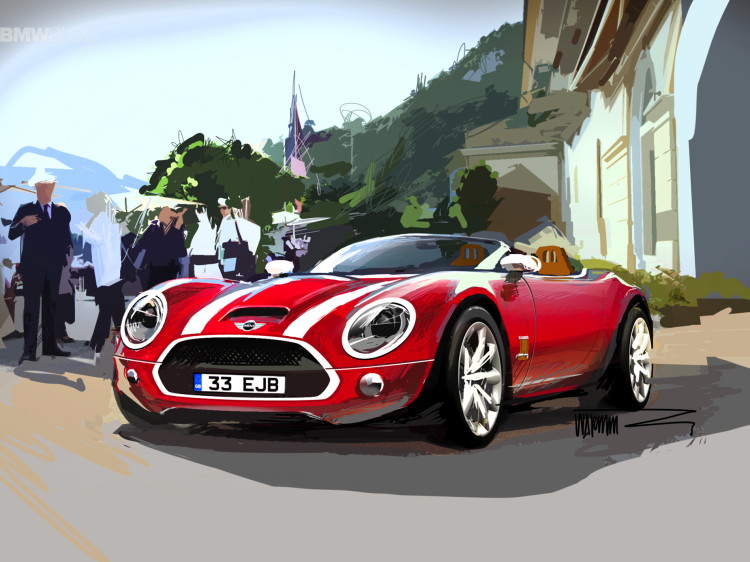
Anders Warming, MINI’s chief designer at the time, has insights into the development of the car. As Villa d’Este 2014 approached, the MINI Superleggera became an official project. He remembers how shocked the designers were to be working on a MINI rather than an extravagant coupe, which would be the more obvious choice for an event like Villa. “They thought of BMW 6 Series, big things, La Dolce Vita… and now we want a little MINI.” On the other hand, the MINI, in its own way, was an excellent fit for Villa d’Este. “The Minarri has British chic and Italian style – The Italian jobMINI drives through Rome.” After a while—and after at least one designer struggled to come to terms with the fact—the team saw the light and “got it.”
Production of the mid-engine MINI
Warming further explained in detail how the MINI Superleggera became the mid-engined wonder we know it today. Executives wanted an electric drivetrain, which led the team to opt for mid-engine proportions. Minor changes from the initial sketches included changes to the front fascia – to make the car more MINI – and a Jaguar D Type-style tail fin. This later round of tweaks also created the Union Jack taillights. That’s somewhat surprising considering it’s such an iconic part of MINI’s design. But then the design emerged as a BMW! “The world has told us we should have done it 10 million times,” our source said. We will tell you again. Of course, it wasn’t just because I didn’t try. As you may already know, Diess made a stab at KTM to help with production, but it was just never meant to be.
As always, we encourage you to take a look at Steve Saxty’s excellent books available in the BMW: Behind the Scenes collection. Learn more about the car itself and the decisions and people that made it a reality. Well, “reality” in the sense that at least two cars were actually built.
