Some automakers claim battery-powered electric vehicles are the only possible way to curb emissions. Well, BMW disagrees. Munich argues that there are several paths to decarbonization. In addition to investing in hydrogen, the company believes that cleaner fuels continue to be a viable solution to reducing CO₂ emissions.
Since the beginning of this year, diesel cars with HVO100 in the tank have been rolling off the assembly line in Germany. This renewable diesel is made from hydrotreated vegetable oil obtained from biological residues and waste materials such as used cooking oil and animal fats. Compared to conventional diesel, emissions are reduced by up to 90%. What about gasoline engines? A similar solution is in sight.
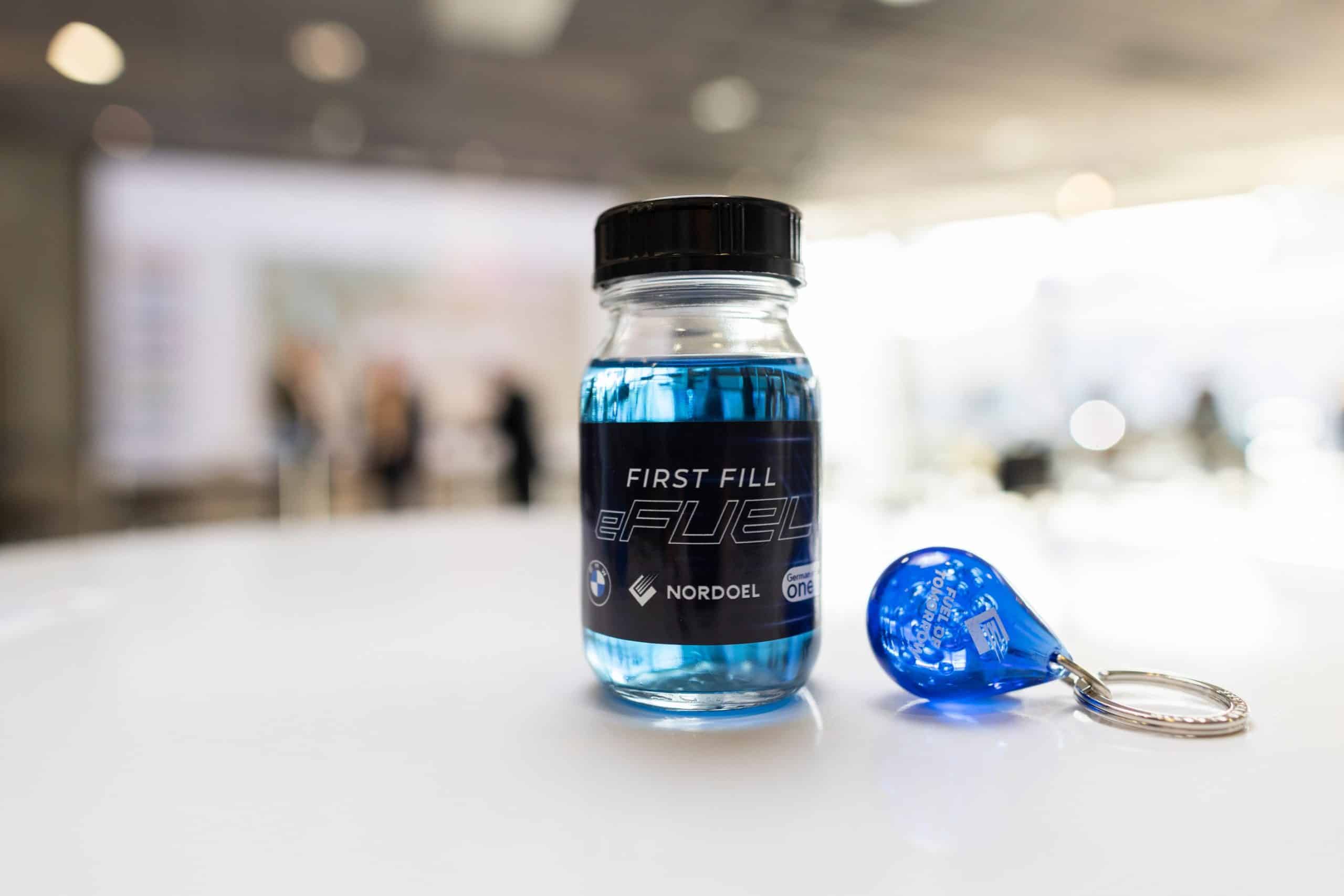
From 2028, BMW petrol cars built in Germany will leave the factory filled with eFuel. This synthetic gasoline, compatible with engines designed for E10 (a 10 percent ethanol blend), is said to have a carbon footprint up to 90 percent lower than traditional fossil fuels. It works not only in new cars, but also in existing vehicles without modification as long as the engine supports E10.
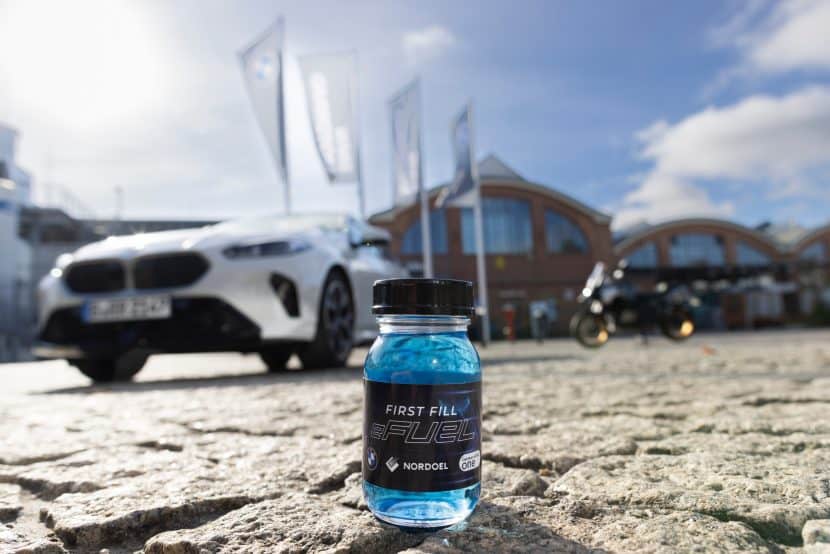
To make this possible, the BMW Group, Lother GmbH and German eFuel One GmbH have signed a declaration of intent. The synthetic fuel is made from renewable methanol, which is made from green hydrogen and captured CO₂. Tests conducted by Lother show that the new eFuel improves engine life and helps engines run cleaner.
German eFuel One is currently building a factory in Steyerberg, Lower Saxony, which is scheduled to begin production in 2028. At full capacity, the plant is expected to produce 75 million liters annually. However, it remains to be seen whether production in this industry can be scaled up enough to make a real impact.
Perhaps the European Union will reconsider its ban on new cars with exhaust emissions from 2035 and allow vehicles that run on renewable fuels and produce only a fraction of the emissions of conventional gasoline or diesel engines. The ban is due to be reviewed before the end of the year and pressure is growing for more flexible legislation.
Photos: BMW Germany
